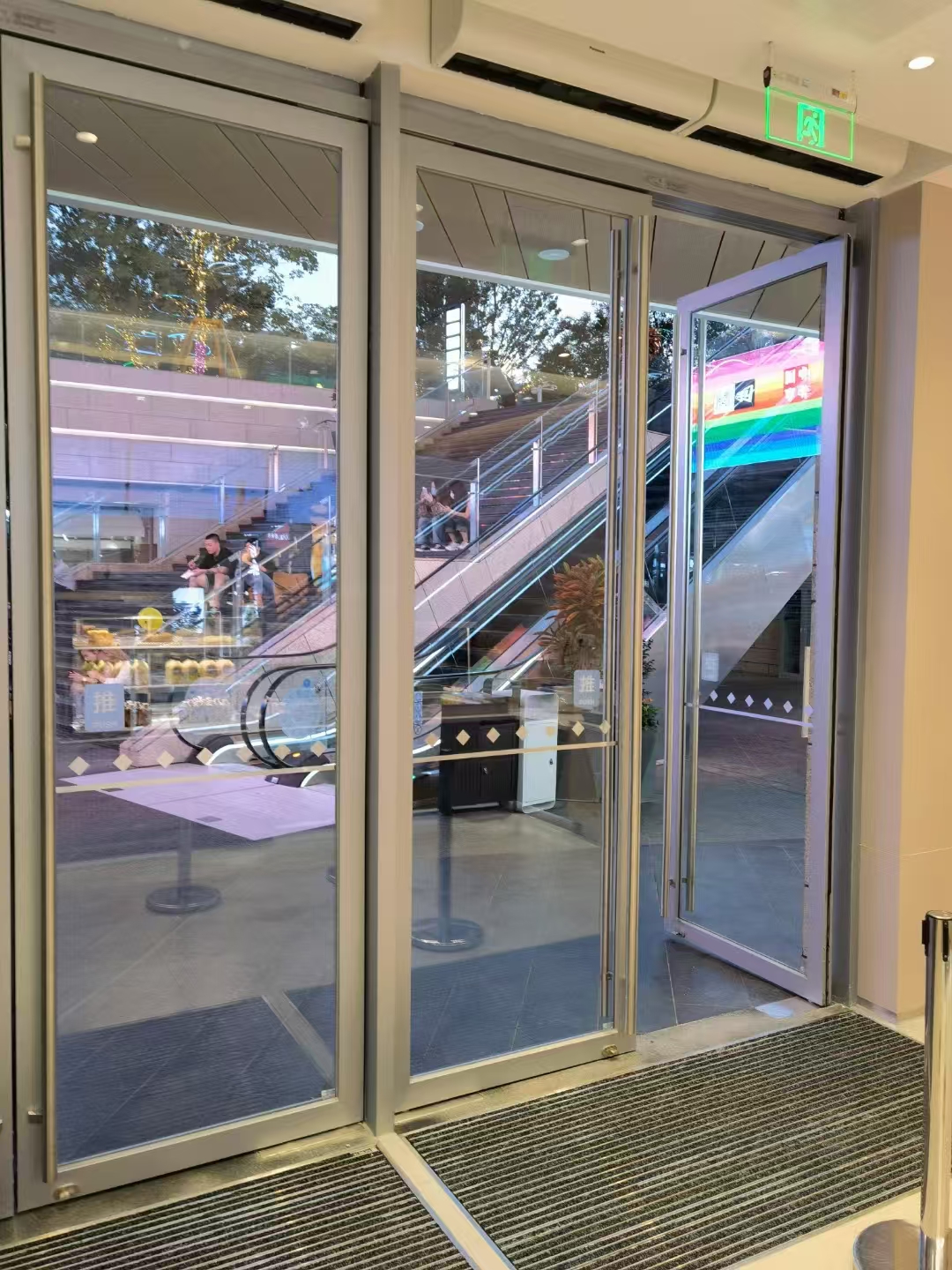
41mm FPOS low-iron fire-rated glass in curtain wall configuration. Tested to BS 476 Part 22, Report R24D23-1C. 129 minutes integrity, 128 minutes insulation.
1. The Compliance Challenge
The developer of a new five-star hotel in downtown Dubai faced one of the most demanding fire glazing briefs in the region. The building featured a full-height atrium rising through 18 floors of guest accommodation, with the architect specifying uninterrupted visual connectivity between the lobby, mezzanine and upper-level circulation galleries.
Under the UAE Fire and Life Safety Code, any atrium connecting more than three floors must be separated from adjacent occupiable spaces by a fire-resistant barrier with a minimum rating of 2 hours (120 minutes). The Dubai Civil Defence authority further requires that all fire-rated materials in high-rise hospitality buildings be supported by test reports from an internationally accredited laboratory, with explicit Civil Defence approval before installation.
The design tension was acute: the architect wanted floor-to-ceiling transparency. The code demanded a two-hour fire barrier. Standard fire-rated solutions at this rating are opaque or heavily tinted, which would have destroyed the design intent. The project team needed a glazing system that could deliver EI120 performance with optical clarity — a combination that significantly narrows the available product field.
2. Determining the Fire Rating Requirement
Working with the project's fire consultant and the Civil Defence reviewing engineer, PyroSpec confirmed the following requirements:
- Barrier type: Fire-resistant separation between atrium and guest corridors
- Required rating: EI120 (Integrity 120 min + Insulation 120 min)
- Structural adequacy: Not applicable for non-structural glazing (dash position)
- Smoke control: Integrated smoke barrier rating required for atrium boundaries
- Optical requirement: Low-iron glass for minimal green tint at thicknesses above 35mm
The EI120 specification immediately eliminated all monolithic (single-ply) fire glass products, which top out at E90 integrity and offer no insulation. It also ruled out standard composite products below 35mm thickness, as the multiple intumescent layers required for 120-minute insulation push the glass into the 40mm+ range.
The low-iron requirement added a further filter. Standard float glass at 41mm thickness produces a visible green edge tint that the interior designer found unacceptable for a luxury hospitality environment. Low-iron (ultra-clear) substrate was specified to maintain colour neutrality.
3. System Solution: Low-Iron EI120 Curtain Wall Assembly
PyroSpec specified a complete curtain wall system comprising four integrated elements, all tested and documented as an assembly:
| Component | Specification | Test Evidence |
|---|---|---|
| Fire Glass | 41mm FPOS low-iron composite fire glass | Report R24D23-1C, UKAS-recognised lab |
| Curtain Wall Frame | Steel curtain wall stick system, thermally broken | Tested as part of assembly R24D23-1C |
| Glazing Gaskets | Silicone EPDM with graphite intumescent insert | Compatible with tested assembly |
| Fixing Method | Pressure-plate with concealed fasteners | Per manufacturer's installation manual |
The 41mm FPOS low-iron composite glass is the critical component. It consists of multiple toughened glass plies separated by intumescent interlayers that expand under heat to form an opaque ceramic barrier. At 41mm total thickness, this construction delivers the 120-minute insulation performance while the low-iron substrate maintains optical transmission above 85% — comparable to standard 12mm clear glass.
The steel curtain wall frame was selected over aluminium because aluminium loses structural integrity at approximately 200°C, well before the 120-minute fire exposure concludes. The thermally broken steel profile minimises condensation risk in Dubai's air-conditioned interior environment while maintaining the slender sightlines the architect required.
Importantly, the test report covered panel sizes up to 3,000 mm x 3,500 mm, accommodating the architect's largest specified atrium glazing panel without requiring subdivision into smaller modules.
4. Certification Outcome
The complete evidence package was submitted to Dubai Civil Defence for pre-approval before any material was manufactured. The submission included:
- UKAS-recognised test report R24D23-1C with full BS 476 Part 22 furnace data
- Third-party assessment of the curtain wall frame structural adequacy under fire exposure
- Installation methodology referencing the tested assembly configuration
- Material safety data sheets and supplier declarations for all components
- Independent engineering peer review confirming compliance with UAE Fire Code Section 8.3
Civil Defence issued a No Objection Certificate (NOC) for the system. The actual furnace performance significantly exceeded the 120-minute requirement:
| Performance Metric | Specification Required | Actual Test Result | Margin |
|---|---|---|---|
| Integrity (E) | 120 minutes | 129 minutes | +7.5% |
| Insulation (I) | 120 minutes | 128 minutes | +6.7% |
The performance margin was particularly valuable given the project's scale. With over 400 square metres of atrium glazing across multiple levels, the 7-8% buffer provided assurance that minor variations in on-site installation — inevitable on a project of this complexity — would not compromise the certified rating.
5. Project Outcomes
The glazing package was fabricated and installed over a 14-week programme coordinated with the main curtain wall contractor. Key outcomes:
- Civil Defence NOC obtained before fabrication commenced — zero compliance surprises
- 412 square metres of EI120 atrium glazing installed across 18 floor levels
- Optical clarity met interior designer's specification — no green tint visible at panel edges
- Final inspection passed without qualification; occupancy permit issued on schedule
- Complete documentation archived for future building audit and insurance renewal